
Huawei Solar Inverters in Cyprus: Models and Batteries
Which Huawei inverter suits a Cyprus home: SUN2000 single and three-phase models, LUNA2000 batteries, backup power, the FusionSolar app and costs.
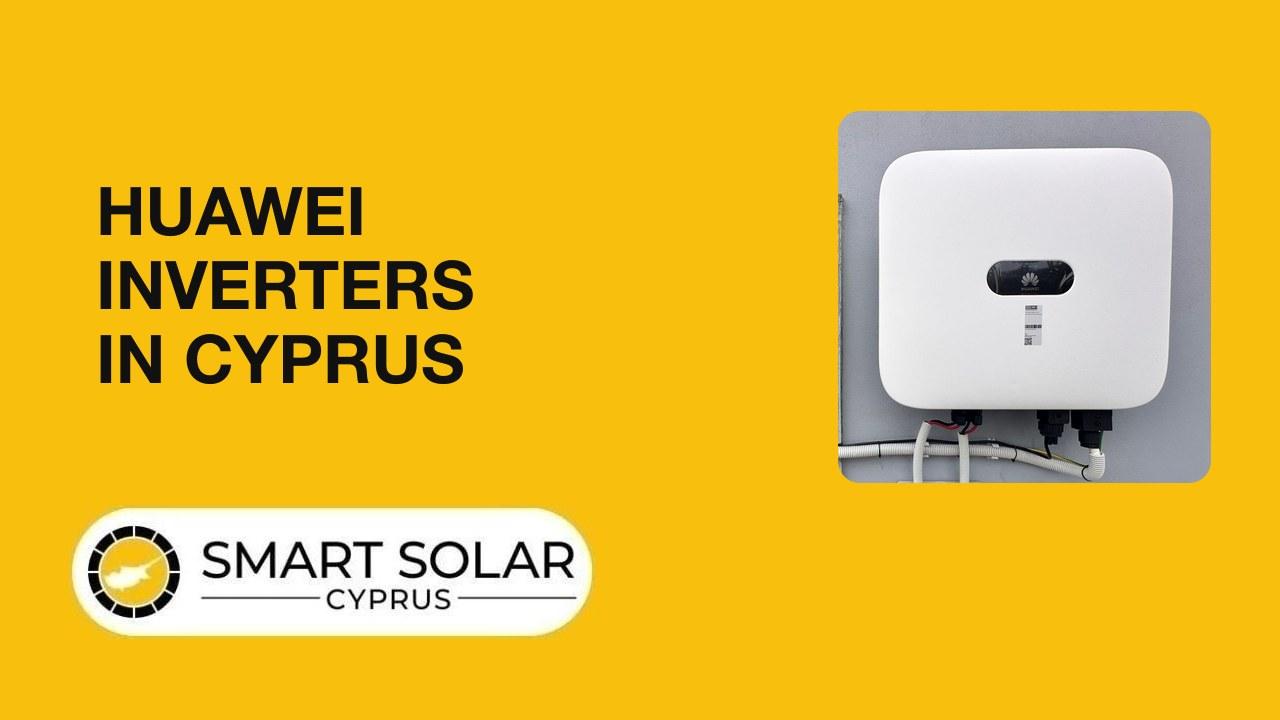
Huawei is one of the names you see most often on solar quotes in Cyprus, usually as a line like "SUN2000-5KTL-L1" with no explanation of what the letters mean or why that model was chosen.
The model code tells you most of what you need to know: how much power the inverter handles, whether it is for a single-phase or three-phase supply, and which battery it can take. Since 1 January 2026 every new system in Cyprus connects under Net Billing, where exported power earns roughly €0.08–0.10 per kWh and imported power costs around €0.25, so the battery question is part of almost every quote.
This guide covers the Huawei residential range as we install it: which model fits which house, how the LUNA2000 battery connects, what backup power you really get, and how to use the FusionSolar app. For a comparison of inverter types in general, start with our guide on how to choose a solar inverter in Cyprus.
How to read a Huawei model code
Take SUN2000-5KTL-L1 as the example.
- SUN2000: the family name for Huawei's solar inverters, from small home units to large commercial ones.
- 5K: the rated AC output in kilowatts. A 5K delivers up to 5 kW to the house and grid.
- TL: transformerless, which is how nearly all modern home inverters are built. It keeps the unit light and efficient.
- L1: the series. L means single-phase, M means three-phase, and the number is the generation.
So a SUN2000-6KTL-L1 is a 6 kW single-phase unit, and a SUN2000-10KTL-M1 is a 10 kW three-phase unit. Huawei adds new series from time to time, so check the datasheet for the exact code on your quote.
Single-phase homes: the L1 series
Most apartments and smaller houses in Cyprus have a single-phase supply. For these, the L1 series is the standard choice. It is sold in steps from 2 kW to 6 kW.
What matters in practice:
- Battery-ready: every L1 has a battery port built in. You can install it with panels only and add a LUNA2000 battery later without changing the inverter.
- Two MPPT inputs: the inverter tracks two strings of panels separately, so an east and west roof, or two roof faces at different tilts, can each work at their own best point.
- Fanless and light: the unit weighs about 12 kg, is rated IP65 for outdoor mounting and cools itself without a fan, so there is nothing to clog with dust.
- Efficiency: the datasheet maximum is 98.4%.
- Arc-fault protection: the inverter monitors the DC wiring for arcing, one of the few ways a roof array can start a fire, and shuts down if it detects it.
EAC limits how much solar a single-phase supply can connect, which is why single-phase quotes tend to cluster around the same few inverter sizes. Your installer confirms the limit for your property as part of the application.
Three-phase homes: the M1 series
Larger houses, homes with heat pumps or several air conditioners, and most new builds have a three-phase supply. The M1 series covers 3 kW to 10 kW across three phases, and it is also battery-ready.
The M1 is slightly heavier at about 17 kg, has the same two MPPT inputs and fanless design, and reaches 98.6% maximum efficiency. Above 10 kW, Huawei has larger three-phase models for big villas and commercial roofs, running up to 100 kW and beyond for businesses.
If you are not sure which supply you have, look at your meter cupboard or your EAC bill, or ask us to check during a site visit. It decides which series you can use before any other choice is made.
The LUNA2000 battery
Huawei inverters work with Huawei's own battery, the LUNA2000. It uses lithium iron phosphate cells (see our LiFePO4 battery guide for why that chemistry suits Cyprus heat) and connects to the inverter on the DC side at high voltage.
The battery is modular:
- 5 kWh modules: the widely installed version stacks 5 kWh modules under one power module, giving 5, 10 or 15 kWh in a single tower.
- Two towers per inverter: you can connect two towers to one inverter for up to 30 kWh.
- Add modules later: a 5 kWh battery can grow to 10 or 15 kWh by adding modules to the same tower. Each module has its own optimiser, so a new module works alongside an older one.
- Newer generation: Huawei's more recent S1 batteries use larger modules of about 7 kWh. Which generation you are offered depends on stock in Cyprus at the time.
One detail is often missed. A single 5 kWh module can charge and discharge at about 2.5 kW. Two or three modules raise that to about 5 kW. If you want the battery to run an air conditioner and an oven together in the evening without drawing from the grid, 10 kWh does the job far better than 5 kWh, and the reason is power as much as capacity.
The LUNA2000 only works with Huawei inverters, and Huawei inverters are designed around it. If you want to mix and match battery brands, a different inverter family is the better starting point. Our battery storage service page explains how we size storage.
Backup power: what you actually get
A Huawei hybrid system does not keep the house running in a power cut on its own. You need a battery and a separate backup unit, which Huawei calls the Backup Box, wired to the circuits you want to keep alive.
- Single-phase L1 with a Backup Box: the system can supply up to about 5 kW to the backed-up circuits, limited by the battery's discharge power. With one 5 kWh module, that means about 2.5 kW.
- Three-phase M1 with a Backup Box: the backup output is single-phase and around 3 kW. It runs lights, the fridge, internet and sockets on the chosen circuits, but not three-phase loads.
- Whole-home backup: some newer Huawei models support a larger changeover unit that backs up the full supply. Ask which arrangement is in your quote.
Switchover takes a few seconds, so expect lights to blink and some devices to restart. Our article on whether solar panels work in a power cut explains why a standard grid-tied system shuts down and what changes with backup hardware.
The meter and other parts in the box
Three smaller components appear on a properly specified Huawei quote.
- Smart Power Sensor: a small meter fitted at your main board. It tells the inverter how much the house is importing or exporting. Without it, the battery cannot follow your consumption and the app cannot show it.
- Optimisers: small units fitted behind individual panels. On L1 and M1 systems they can be added only to the panels that suffer shade, for example next to a solar water heater tank or a chimney, without fitting them to the whole roof.
- Communication: L1 inverters have Wi-Fi built in. Three-phase units normally use a plug-in dongle with Wi-Fi and a network cable port. A cabled connection is more reliable if your router is far from the inverter.
Using the FusionSolar app
FusionSolar is Huawei's monitoring app and web portal. Your installer creates the system in it during commissioning and invites you as the owner.
The home screen shows a live diagram of power moving between panels, battery, house and grid. From there you can see:
- Production: today's yield and the history by day, month and year.
- Consumption and self-consumption: how much of your own solar you used and how much you exported, which is the number that matters under Net Billing.
- Battery: state of charge, and charging or discharging power.
- Alarms: fault messages, which your installer also sees remotely.
The most common support call we get is "the app says my system is offline". In most cases the inverter is working normally and has only lost its internet connection, usually because the Wi-Fi password or the router was changed. The inverter keeps producing, but it cannot report. Reconnecting takes a few minutes through the app's commissioning menu, standing next to the inverter. If production also looks wrong on your EAC bill, that is a different problem and worth a call. Remote monitoring is part of our maintenance and monitoring service.
Heat and where to mount it
Huawei's home inverters are rated to operate up to 60°C ambient, but like every inverter they reduce output when they get hot, typically from around 45°C. On a west-facing wall in direct afternoon sun in July, the casing gets much hotter than the air.
We mount them in shade: on a north wall, inside a ventilated garage or under a small canopy, with the clearances the manual asks for on every side. The same goes for the battery, which lasts longest at moderate temperatures and should never sit in direct sun.
What a Huawei system costs
Most quotes price the installed system and do not itemise the inverter. As equipment-only guides, a 5 kW hybrid inverter generally sits in the €1,300–2,400 range, and Huawei falls within that band. Installed LFP home batteries in Cyprus currently run at about €800–1,000 per kWh of usable capacity, so plan on roughly €8,000–10,000 for 10 kWh.
The backup unit, Smart Power Sensor and any optimisers are extra, and they are the items most often missing when one quote looks cheaper than another. Our 2026 solar panel cost guide covers full system prices by size.
Huawei's standard warranty on its home inverters in Europe is 10 years, with 10 years on the LUNA2000 battery (longer on the newer generation). Ask for the warranty terms in writing with the model numbers.
When Huawei is not the right choice
Huawei suits a grid-connected home that wants a tidy, single-brand system with good monitoring. It is less suited to two cases.
If you want a fully off-grid property, or large backup power with a generator input, a low-voltage hybrid inverter such as Deye is usually a better fit. Those inverters work with 48 V batteries from many manufacturers and are built around off-grid operation. Our off-grid and hybrid systems page covers that route.
If you already own a battery from another brand, a Huawei inverter will not run it.
For a design that names the inverter model, battery size and backup arrangement for your own roof and bills, request a free quote.
Frequently Asked Questions
What batteries work with a Huawei inverter?
Huawei's home inverters are designed for Huawei's own LUNA2000 battery, in 5 kWh modules that stack to 15 kWh per tower and 30 kWh per inverter. Batteries from other brands are not supported on current models, so choose the inverter and battery as one system.
Is the Huawei SUN2000 a hybrid inverter?
The L1 (single-phase) and M1 (three-phase) residential models are hybrid inverters: they have a battery port built in. You can install them with panels only and add a LUNA2000 battery later. Backup power in a grid outage needs an additional backup unit.
How much does a Huawei inverter cost in Cyprus?
As an equipment-only guide, a 5 kW hybrid inverter falls between about €1,300 and €2,400, and Huawei sits within that range. Installers normally quote an installed system price, so ask for the exact model number to compare quotes.
Why does FusionSolar show my inverter as offline?
Usually because the inverter has lost its internet connection after a router or Wi-Fi password change. The system keeps generating. Reconnect it to your Wi-Fi through the commissioning menu in the app, or ask your installer to do it.
How long does a Huawei inverter last?
The standard warranty is 10 years, and a well-sited inverter typically works for 10 to 15 years. In Cyprus, keeping it out of direct sun with free airflow around it is the main thing that extends its life.
Want a quote tailored to your roof and your bill?
A free site visit and proposal, with no obligation and no pressure.
Keep reading
All articles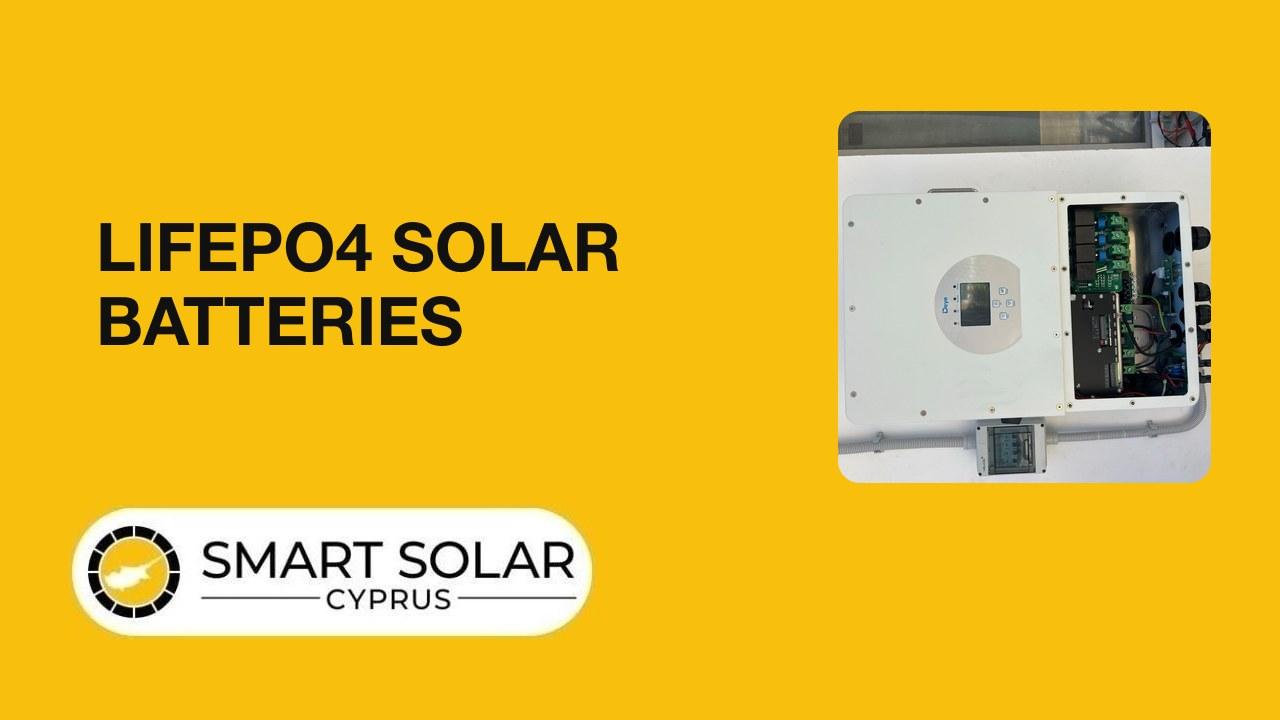
LiFePO4 Solar Batteries in Cyprus: A Buyer's Guide
What LiFePO4 (LFP) batteries are, how they cope with Cyprus heat, cycle life and warranties, 12 V packs vs home batteries, and what they cost installed.
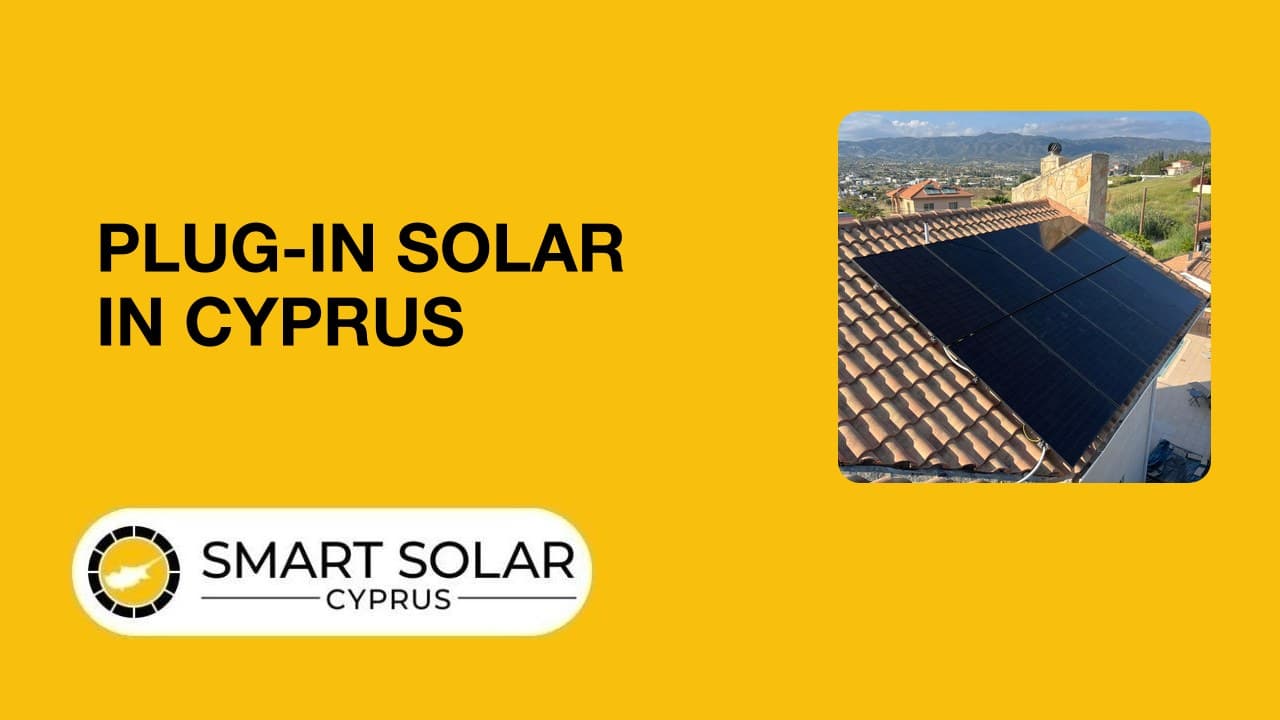
Plug-in Solar Panels in Cyprus: Are Balcony Kits Allowed?
Can you plug a solar panel into a socket in Cyprus? What the rules say about balcony kits, the safety risks, what they produce and the legal alternatives.
EAC Smart Meters in Cyprus: What Solar Owners Should Know
How to read the EAC smart meter with solar panels: import 1.8.0, export 2.8.0, what changes under net metering and Net Billing, plus the EAC data portal.